

Selecting Optimal Cooling Solutions to Complement Your Power Distribution System
Power distribution systems generate significant heat during operations. Effective cooling is a mission-critical requirement to prevent equipment degradation, mitigate risks, and ensure continuous facility uptime.
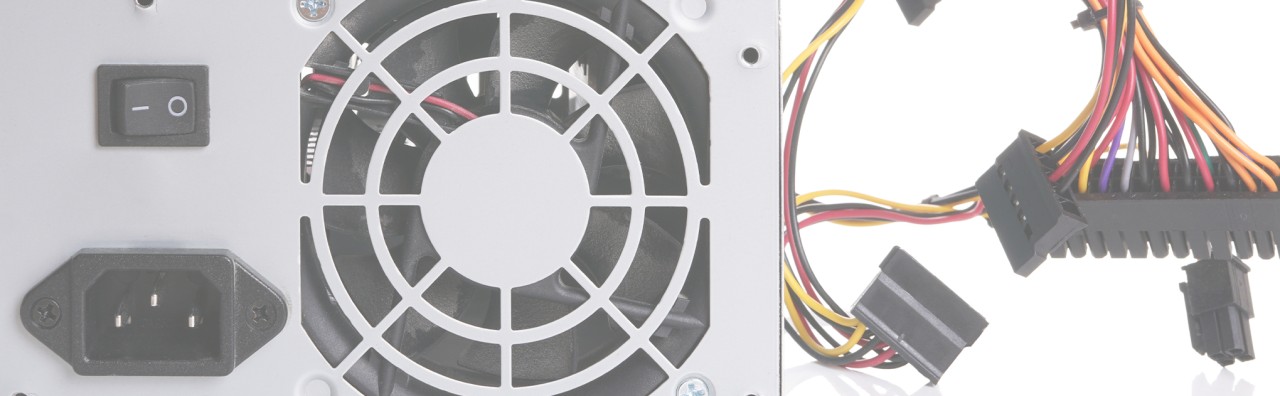
Power distribution systems are critical components of industrial and commercial facilities, providing electrical power to essential equipment and machinery. However, these systems generate heat that can cause significant damage and ultimately lead to system failures if not controlled properly. Therefore, selecting the right cooling solutions is crucial to maintaining optimal performance and reliability.
Why Is Cooling Necessary?
Power distribution systems generate heat during normal operations due to resistance in conductors, transformer losses, and other electrical processes. This heat must be dissipated effectively to maintain safe operating temperatures for the equipment.
If left unchecked, excessive heat can lead to several critical issues such as:
- Reduced component life due to accelerated aging
- Increased risk of component failure or malfunction
- Loss of efficiency leading to higher energy bills
- Increased maintenance costs
- Catastrophic downtime caused by overheating-related failures
Factors To Consider When Selecting Cooling Solutions
Heat Load: The first step in selecting a cooling solution is identifying the amount of heat generated by the equipment. This depends on electrical load, ambient temperature, enclosure type, and ventilation rate. Accurate thermal measurements are required before deploying hardware.
Environment: Different environments have different temperature ranges. If your facility has high ambient temperatures or high humidity levels, choosing closed-loop air conditioning may be the best option. In dry areas, evaporative cooling can work efficiently.
Enclosure Type: The type and size of enclosure used for distribution equipment impacts cooling choice. Some enclosures come with built-in cooling systems that only require ventilation, while others may need additional targeted fans or AC units to regulate temperature.
Noise & Maintenance: It is essential to choose a cooling solution that produces low noise levels to avoid disrupting personnel. You should also select a solution that requires minimal maintenance and can be serviced easily without causing operational downtime.
Types Of Cooling Solutions
Air Conditioners: Air conditioners use refrigeration technology to cool air. They are highly effective for facilities with high ambient temperatures all year round, though they typically require more physical footprint.
Heat Exchangers: Designed to transfer heat from one medium to another without mixing them. They are ideal if you want to avoid refrigerants, using fluids like water or antifreeze instead, but they require a sizable surface area to operate efficiently.
Fans And Ventilation: Fans circulate air in your equipment enclosure, removing hot air and bringing in cool air. They are a cost-effective solution requiring minimal maintenance. They must be equipped with backup alarms in the event of fan failure.
Evaporative Cooling: Uses water evaporation to lower the temperature inside an enclosure. It is a low-cost solution that works efficiently in dry environments, but it could cause corrosion if utilized in high-humidity facilities.
Liquid Cooling: Involves circulating coolants such as water or dielectric fluid directly through equipment to remove heat. It is incredibly efficient for high-density systems but requires a higher upfront investment and specialized maintenance.
Conclusion
Selecting optimal cooling solutions for your power distribution system is crucial for maintaining safe operating temperatures, reducing downtime, increasing efficiency, and extending equipment lifetimes. By matching the cooling technology directly to your facility's environment and heat load, you guarantee resilience.