

How to Efficiently Monitor and Manage Thermal Loads in Data Centers
With the increasing demand for data-driven services, data centers are becoming more complex and power-hungry. Efficient thermal management is critical to prevent system failures and maximize operational efficiency.
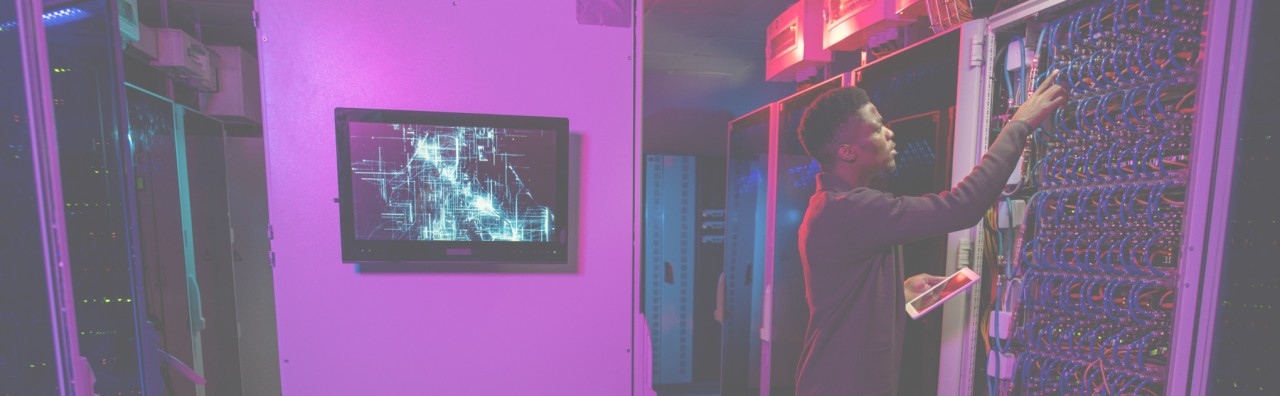
Data centers are at the heart of modern computing and business operations. They serve as a hub for storing, processing, and managing data on a large scale. The increased power consumption associated with these systems results in higher thermal loads that require efficient management to prevent system failures, reduce energy consumption, and increase operational efficiency.
In this blog post, we discuss how you can efficiently monitor and manage thermal loads in your mission-critical facilities.
Understanding Thermal Management
Thermal management involves balancing cooling systems to maintain optimal temperatures within the data center. It is essential to ensure that the server equipment operates within acceptable temperature ranges without overheating or undercooling. The primary goal is to maintain proper airflow through the server cabinets while ensuring adequate cooling to keep components operating safely.
Identifying Problem Areas
The best way to manage thermal loads is by identifying areas where problems exist. This can be achieved by conducting regular temperature scans of server cabinets, identifying hotspots, and monitoring airflow patterns. Hotspots refer to areas with higher temperatures resulting from poorly designed cooling systems or improperly configured equipment. Regular temperature scans provide an overview of cooling performance, enabling timely interventions before failure.
Ensuring Proper Airflow Management
A well-designed airflow management system ensures proper ventilation across all server cabinets while minimizing hotspot formation. Several techniques can help improve this:
- Hot Aisle/Cold Aisle Configuration: Separates hot and cold air within server rows. Cold air is directed to the front of the cabinet, while hot air is expelled from the back.
- Blanking Panels: Blocks off open spaces within server cabinets to ensure airflow is strictly directed toward equipment that requires cooling.
- Cable Management: Reduces physical airflow restrictions and blockages within the cabinets.
- Enclosure Sealing: Sealing all unnecessary openings minimizes hotspot formation and forces air through the intended paths.
Implementing Effective Cooling Systems
Cooling systems play a critical role in managing thermal loads. The choice of cooling system depends on factors such as facility size, budget, power consumption, and scalability:
- Air-Cooled Systems: Uses fans or blowers to direct cool air over components. Easy to install but may lack the efficiency needed for hyper-scale environments.
- Water-Cooled Systems: Uses liquid directly at the rack level. More efficient than air-cooled systems but requires more significant upfront investment.
- Chilled Water Systems: Uses chilled water circulated through pipes to cool down facility-wide equipment. Ideal for large-scale operations due to high efficiency and scalability.
Investing in Thermal Monitoring Software
Thermal monitoring software provides real-time capabilities that enable you to detect temperature variations before they result in system failures. Using sensors placed across the data center, the software collects temperature readings at regular intervals and alerts operators when thresholds are exceeded.
Conducting Regular Maintenance
Regular maintenance of cooling systems and server equipment is critical to ensuring optimal thermal management. This includes cleaning fan blades, replacing worn-out filters, clearing blocked vents, and checking for wear and tear. Proper upkeep prolongs equipment lifespan and prevents catastrophic downtime.
Conclusion
Managing thermal loads in data centers is a crucial aspect of maintaining optimal server performance while reducing energy consumption. Proper airflow management, effective cooling systems, investing in thermal monitoring software, and conducting regular maintenance are essential steps towards achieving efficient thermal management in data centers.