

Your Building’s Ticking Time Bomb:
The Hidden Risk of Proprietary Power Systems
Topic: Lifecycle Risk Management // Product: Voltz OpenSelect
The project is done. The ribbon is cut, the building is commissioned, and everyone celebrates a job well done. But for the building owner and facility manager, the work is just beginning.
Lurking within the walls is a hidden risk, a "Day 2 Dilemma" that won't surface for years but can lead to catastrophic costs and operational downtime: the proprietary Remote Power Panel (RPP).
When a building is designed with a single-source RPP, it locks the owner into that manufacturer's ecosystem for the entire life of the facility—often 20 years or more. This creates a ticking time bomb. What happens in five, ten, or fifteen years when a breaker fails? If that model is obsolete and the RPP only accepts one brand, you can't just swap it out. You are now at the complete mercy of the original OEM, and the consequences can be devastating.
The Problem: Trapped by Yesterday's Technology
This long-term lifecycle risk is a direct result of being locked into a closed system. While the initial installation may go smoothly, the "Day 2 Dilemma" creates immense challenges down the road that impact the building's Total Cost of Ownership (TCO).
- Component Obsolescence: Technology evolves. The breaker installed today will inevitably be discontinued. With a proprietary RPP, replacing a single obsolete breaker could mean having to rip and replace the entire panel—a massive, unbudgeted capital expense.
- Forced Upgrades: OEMs can use obsolescence as leverage to force a full system upgrade. A simple maintenance issue becomes an expensive, facility-wide project that serves the manufacturer's bottom line, not the owner's.
- Sole-Source Maintenance & Price Gouging: When you can only source parts and service from one company, they can charge whatever they want. This lack of competition leads to inflated maintenance costs and extended lead times, directly impacting operational budgets and uptime.
- Extended Downtime: If a critical breaker fails and the replacement isn't readily available from the sole-source OEM, you face significant downtime, disrupting business operations and costing the owner revenue.
The Solution: Future-Proof Your Investment with OpenSelect
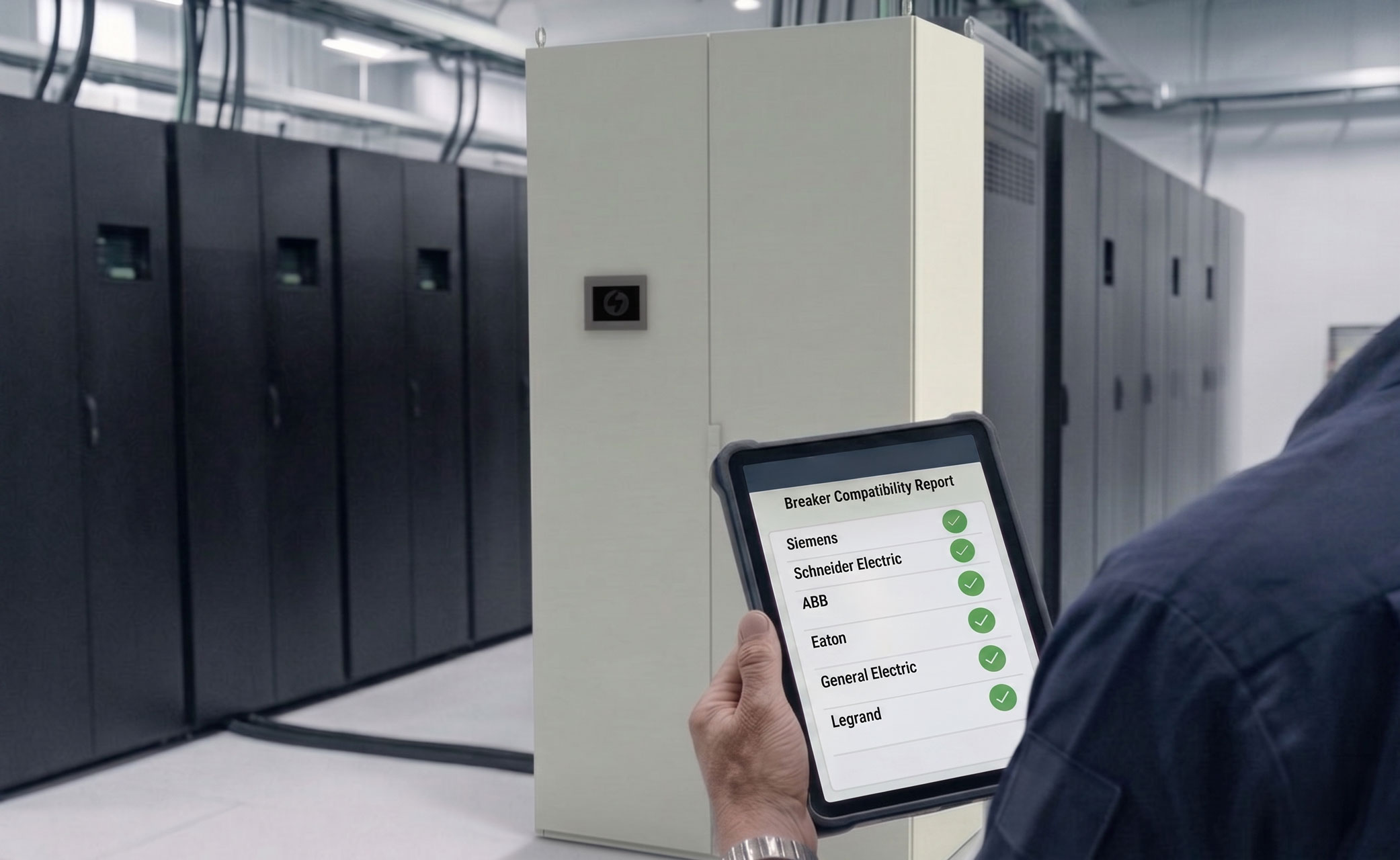
The only way to defuse this ticking time bomb is to de-risk the design from day one. Raptor Power Systems' OpenSelect provides the ultimate solution: a "breaker-agnostic" RPP that future-proofs the building's power infrastructure.
By accepting all major breaker brands, OpenSelect gives building owners freedom and control for the entire lifecycle of the facility. This is how you design for "Day 2" and beyond.
- Eliminate Obsolescence Risk: With OpenSelect, a discontinued breaker is no longer a crisis. Simply replace it with a current, available model from any major manufacturer. The system is perpetually modern.
- Prevent Forced Upgrades: A breaker failure should be a simple swap, not a system overhaul. OpenSelect allows you to replace only what’s necessary, protecting the owner from massive, unnecessary capital expenditures.
- Create Maintenance Freedom: Owners can source replacement parts and service from a competitive market, ensuring fair prices and faster response times. This dramatically lowers the long-term Total Cost of Ownership.
- Ensure Operational Continuity: With multiple sources for parts, you can minimize downtime and keep the facility running smoothly. This operational certainty is invaluable for any business.
Design for the Future, Not Just for Today
A building is a long-term asset. The decisions made during the design phase have consequences that last for decades. Choosing a proprietary system is a short-sighted choice that shifts risk directly onto the owner.
A truly smart design protects the owner's investment for its entire lifecycle. By specifying Raptor Power Systems' OpenSelect, you can deliver a facility that is not only efficient on Day 1 but is also resilient, adaptable, and cost-effective on Day 10,001.
Protect the investment. Eliminate lifecycle risk. Design for the future.